

Intraday trading or day trading, refers to a specific type of stock market strategy where individuals buy and sell securities within the same trading day. This approach is characterized by its fast-paced nature and the opportunities it provides for traders to capitalize on short-term market fluctuations. Unlike traditional investing strategies, that focus on long-term growth, intraday trading is about making quick decisions based on real-time market analysis, making it a thrilling yet challenging endeavor.
Understanding Intraday Trading
Intraday trading requires a keen understanding of market trends and the ability to react promptly to changing conditions. Traders involved in this method often rely on technical analysis; a framework for evaluating securities by analyzing statistics generated by market activity, such as past prices and volume. Technical analysts look for patterns and indicators that can suggest future market movements.
One of the main attractions of intraday trading is the potential for quick profits. However, it’s important to acknowledge the risks. The market can be unpredictable and prices can move rapidly, this volatility means traders must be prepared for the possibility of losses.

Strategies for Successful Intraday Trading
Intraday trading can be exciting and yes, potentially profitable, but it’s not something you can just wing. The most successful traders don’t rely on luck. They rely on strategy, discipline, and a solid understanding of how the market moves. Here’s look at a few of the key strategies used by intraday traders:
- Scalping: Scalping is one of the most popular intraday trading strategies. It involves making numerous small trades throughout the trading day to capitalize on minor price changes. Scalpers aim to enter and exit trades quickly, often holding positions for just minutes or even seconds. This strategy requires traders to have a strong understanding of market trends and the ability to act quickly. Scalping is particularly effective in markets with high liquidity and lower volatility, where small price movements occur more frequently. Traders using this strategy must be disciplined and able to make rapid decisions while managing the stress of high-frequency trading.
- Range Trading: In range trading, traders identify stocks that are moving within a specific price range and trade within these boundaries. This strategy is based on the assumption that prices will bounce back and forth between known high and low levels. Range traders buy at the lower end of the range and sell at the higher end, capitalizing on these predictable movements. To be successful with range trading, one must be able to accurately identify the range and recognize the signs that a stock will remain within it. This strategy works well in markets that are not trending strongly in either direction.
- News-Based Trading: This strategy involves trading based on news announcements and economic events that can cause significant movements in the market. News-based traders must stay informed about global events, economic reports, and company-specific news that can impact stock prices. This strategy requires quick reaction times, as markets can move swiftly following a major news release. Traders using this approach should have a plan for both positive and negative news and understand how different types of news will affect different sectors and stocks. Risk management is crucial in news-based trading, as the volatility can lead to substantial gains or losses.
- High-Frequency Trading (HFT): High-frequency trading is an advanced strategy that uses complex algorithms and high-speed data networks to execute a large number of orders at extremely fast speeds. HFT firms often use proprietary trading algorithms to identify short-term market inefficiencies and arbitrage opportunities. This strategy requires significant technological resources and expertise in both trading and computer programming. HFT can be controversial, as it uses sophisticated technology to gain an advantage over other market participants. However, it also contributes to market liquidity and price discovery.
Each of these strategies has its pros and cons. Some require technical tools; others rely more on intuition and experience. The best intraday traders usually learn one or two strategies inside and out, and adapt as markets evolve. No matter which approach you choose, the most important ingredient is discipline. Stick to your plan, manage your risk, and always stay curious, because what works today might not work tomorrow.

Tools and Techniques for Intraday Traders
Intraday trading isn’t just about watching prices go up and down. It’s fast, data-driven, and demands intense focus. Traders need to make quick decisions, and that means having the right tools at their fingertips. Here the key tools and techniques intraday traders rely on to stay sharp, act fast, and make informed moves:
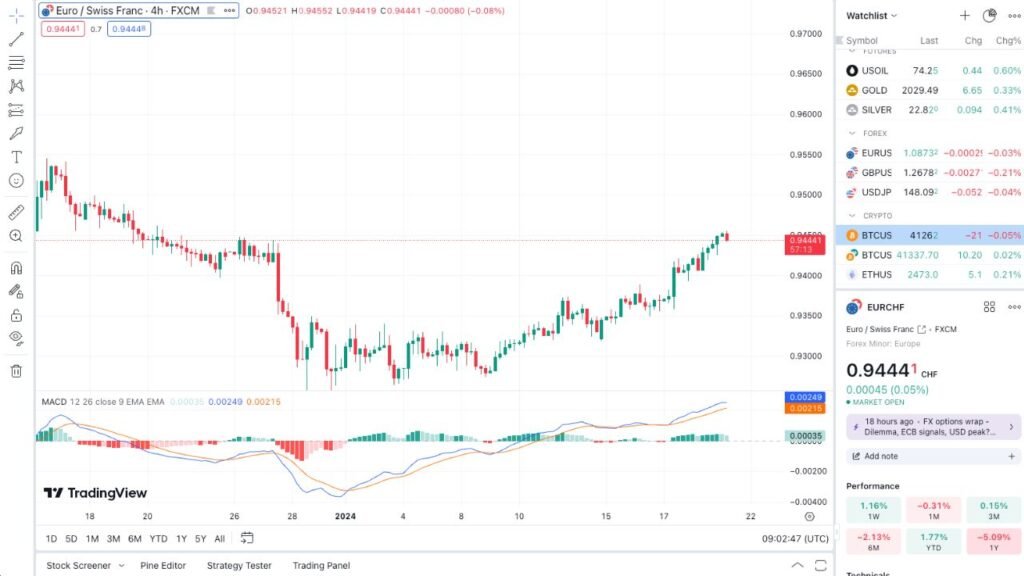
- Advanced Charting Software: Charting software is crucial for intraday traders. It provides a visual representation of market data, helping traders to identify trends, patterns, and potential trading opportunities. Advanced charting software offers a range of features, including multiple time frame analysis, a variety of chart types (like candlestick, line, and bar charts), and the ability to overlay various technical indicators and drawing tools. Some popular charting platforms include TradingView, MetaTrader, and Thinkorswim. These platforms allow traders to customize their charts and use advanced analytical tools to make more informed trading decisions.
- Real-Time News Feeds: Staying updated with real-time news is essential for intraday traders, especially those employing news-based trading strategies. News feeds provide instant access to market news, economic reports, and updates on global events that can impact financial markets. Services like Reuters, Bloomberg, and CNBC offer real-time news updates that can give traders an edge in understanding market movements. Many trading platforms also integrate news feeds directly into their interface, allowing traders to access news and charts simultaneously.
- Direct Access Trading Platforms: Direct access trading (DAT) platforms provide traders with direct access to market exchanges, bypassing traditional brokerage firms. These platforms offer faster execution speeds, which is critical for intraday trading where every second counts. DAT platforms also provide more control over trades, allowing traders to use complex order types and to route orders to specific market makers or electronic communication networks (ECNs). Examples of direct access platforms include Interactive Brokers, Lightspeed, and TradeStation.
- Technical Indicators: Technical indicators are mathematical calculations based on historical price and volume data that help traders identify trends and signals in the market. Common indicators used in intraday trading include:
- Moving Averages: These indicators smooth out price data to identify trends. Simple moving averages (SMA) and exponential moving averages (EMA) are widely used to determine support and resistance levels.
- Relative Strength Index (RSI): RSI measures the speed and change of price movements. It is used to identify overbought or oversold conditions in a stock.
- Bollinger Bands: These consist of a set of three lines: the middle line is a moving average, and the other two are standard deviations away from the moving average. Bollinger Bands help in identifying the volatility and potential price breakouts.
- Risk Management Tools: Intraday trading involves significant risk, making risk management tools crucial. Tools like stop-loss orders and limit orders can help traders manage their risks by automatically closing a position at a predetermined price level. Additionally, position sizing calculators and risk-reward ratio analyzers can assist traders in determining how much capital to allocate to a particular trade based on their risk tolerance.
- Backtesting Software: Backtesting allows traders to test their trading strategies using historical data to see how they would have performed. This helps traders refine their strategies and adjust their parameters for better results. Backtesting software like QuantConnect, NinjaTrader, and AmiBroker provide a platform to simulate trades and analyze their effectiveness without risking actual capital.
- Market Scanners and Screeners: Market scanners and screeners are tools that help traders filter stocks based on specific criteria, such as price movements, volume changes, or technical indicators. These tools can quickly identify potential trading opportunities in real-time, saving traders the time and effort required to manually scan the markets.
By effectively utilizing these tools and techniques, intraday traders can enhance their ability to make informed decisions, manage risks, and capitalize on market opportunities. However, it’s important to remember that no tool or technique can guarantee success in trading, and traders should always conduct their own research and practice due diligence.
Risk Management in Intraday Trading
Intraday trading can be intense. Markets move fast, and sometimes even your best setups don’t go as planned. That’s why risk management isn’t just “important”… it’s everything. Think of it as your safety net. It won’t stop every fall, but it can keep you from hitting the ground too hard. Whether you’re just starting out or refining your strategy, here’s why smart risk management is a non-negotiable part of your trading game:
- Clear Trading Plan: Every trade should be based on a well-defined plan. This plan should include your investment goals, risk tolerance, and specific criteria for entering and exiting trades. A clear plan helps avoid impulsive decisions and ensures that each trade aligns with your overall trading strategy.
- Predefined Entry and Exit Points: Before entering a trade, determine the price points at which you will buy and sell. These should be based on thorough analysis and should align with your trading plan. Knowing when to exit a trade, whether in profit or loss, is crucial to managing risks.
- Stop-Loss Orders: Stop-loss orders are essential for limiting potential losses. A stop-loss order automatically sells a security when it reaches a certain price, preventing further losses if the market moves against your position. It’s important to set stop-loss orders at a level that balances potential losses with the likelihood of the order being triggered by normal market fluctuations.
- Position Sizing: Carefully consider how much capital to allocate to each trade. A common risk management rule is to risk only a small percentage of your trading capital on any single trade, often suggested as 1-2%. This helps ensure that a loss on a single trade won’t significantly impact your overall capital.
- Diversification: Even within the constraints of a single trading day, diversification can be an effective risk management tool. By spreading your investments across different stocks, sectors, or asset classes, you can reduce the impact of a poor performance in any one area.
- Risk-Reward Ratio: Before entering a trade, evaluate the potential reward relative to the risk. A common approach is to look for opportunities where the potential reward is at least twice the potential risk. This means that even if only a fraction of your trades are successful, you can still be profitable overall.
- Regular Review and Adjustment: Continuously monitor your trades and overall strategy. If you find that certain types of trades or strategies consistently result in losses, it may be time to adjust your approach. Regularly reviewing your performance can help identify patterns and areas for improvement.
- Emotional Control: Intraday trading can be stressful, and emotions can lead to rash decisions. Develop strategies to maintain emotional control, such as taking breaks, setting strict trading hours, and avoiding trading under extreme stress or fatigue.
- Use of Technology: Utilize trading software that provides real-time data, alerts, and automated risk management tools. These can help you stick to your plan and make informed decisions.
- Continuous Learning: The market is dynamic, and strategies that worked in the past may not be effective in the future. Stay informed about market trends and continuously educate yourself about new trading strategies and risk management techniques.
Risk management in intraday trading is about more than just preventing losses; it’s about making smart decisions that align with your overall trading goals and strategy. By implementing these risk management practices, traders can navigate the complexities of the market more effectively and increase their chances of long-term success.
The Importance of Continuous Learning
Intraday trading isn’t something you just pick up in a day. It takes time, practice, and a willingness to keep learning. The market is always evolving, so staying up to date with trends, economic reports, and global events is essential. Many traders also find value in joining trading communities or forums, it’s a great way to share insights, learn new strategies, and stay connected with others navigating the same challenges.
Legal and Regulatory Considerations
Intraday trading, like any financial activity, is governed by a set of legal and regulatory considerations that vary from one jurisdiction to another. These rules are designed to maintain market integrity, protect investors, and ensure fair trading practices. Traders should be aware of the following key regulatory aspects:
- Tax Implications: One of the most important considerations for intraday traders is the tax treatment of their profits and losses. Different countries have varying tax laws regarding earnings from intraday trading. For example, some countries may classify profits from day trading as capital gains, while others may consider them as regular income, each with different tax rates. It is crucial for traders to understand their tax obligations and file returns accordingly to avoid penalties.
- Leverage and Margin Rules: Many intraday traders use leverage to amplify their trading capital. Regulatory authorities typically set limits on the amount of leverage that traders can use. These rules are meant to protect traders from excessive risk and potential significant losses. Understanding margin requirements and how they work is essential for managing risk effectively.
- Types of Securities: Regulations may also dictate the types of securities that can be traded on an intraday basis. For instance, certain high-volatility stocks might be restricted from day trading, or there could be specific rules for trading derivatives like options and futures. Traders need to be aware of these restrictions to ensure compliance.
- Reporting Requirements: In some jurisdictions, traders may be required to report their transactions. This is particularly true for traders who execute a large number of trades or trade large volumes. Reporting requirements are typically aimed at preventing illegal activities like market manipulation and insider trading.
- Market Conduct Rules: Traders must adhere to rules that prohibit unfair market practices such as price manipulation, spreading false or misleading information, and insider trading. These rules are in place to maintain the integrity and fairness of the markets.
- Brokerage Compliance: When choosing a brokerage or trading platform, it’s important to ensure that the broker complies with the regulatory standards of the region in which they operate. This includes checking whether they are licensed and regulated by the appropriate financial authorities.
- International Trading: For traders who participate in markets outside their own country, it’s crucial to understand the regulations of those foreign markets. International trading may involve additional compliance requirements and expose traders to different financial and regulatory risks.
Legal and regulatory considerations are an integral part of intraday trading. Staying informed and compliant with these regulations not only helps in avoiding legal complications but also contributes to a trader’s overall success and reputation in the market. It is advisable for traders to consult with legal and financial professionals to ensure they understand and adhere to the relevant regulations in their trading activities.
Final Thoughts
In conclusion, intraday trading can be both thrilling and demanding. It offers a unique chance to engage with the markets in real time, but it’s not without its challenges. Success comes from truly understanding the strategies, tools, and risks involved, and staying committed to learning and operating within the rules.
Whether you’re an individual trader at home or a seasoned professional, the appeal of intraday trading lies in its fast pace and potential for reward. And as the markets continue to evolve, so will the techniques and technologies that support this ever-changing world of short-term trading.
FAQ
Intraday trading, often referred to as day trading, is the practice of buying and selling financial instruments within the same trading day. Traders close all positions before the market closes to avoid holding any overnight risks. The goal is to profit from short-term price movements in stocks, currencies, or other financial assets.
Intraday traders use various strategies to capitalize on market movements, including scalping (making numerous trades for small profits), range trading (buying and selling within a specific price range), news-based trading (trading based on news announcements), and high-frequency trading (using algorithms to trade at very high speeds).
Successful intraday trading requires advanced charting software, real-time news feeds, and direct access trading platforms. Traders also rely on technical analysis tools like moving averages, the Relative Strength Index (RSI), and Bollinger Bands to make informed decisions.
Risk management is crucial in intraday trading due to the high level of volatility and rapid market movements. Effective strategies include setting clear trading plans, predetermined entry and exit points, using stop-loss orders to limit potential losses, proper position sizing, and diversification.
Yes, intraday trading is subject to various legal and regulatory considerations, including tax implications, leverage and margin rules, types of securities permissible for trading, and adherence to market conduct rules. These regulations vary by country and are essential for lawful and ethical trading practices.
While intraday trading is open to anyone with access to the financial markets, it requires significant knowledge, skill, and discipline. Potential traders should educate themselves thoroughly about the markets, trading strategies, and risk management. It’s also recommended to start with a demo or simulation account to gain experience before trading with real capital.